More than a Resume


Tipsy Rabbit Tips & Pointers Blog
What Really Makes a Proven Breeding Dog?
A proven dog doesn't stop being proven when the judges go home.
When researching breeders, you'll often hear the phrase "proven dogs." But what does that actually mean?
For some, the answer is simple: titles. Hunt test titles. Field trial placements. Conformation championships. These accomplishments certainly have value, representing countless hours of training, dedication, and teamwork between dog and handler.
But at Tipsy Rabbit, we believe the definition of a truly proven dog is much bigger than a title alone.
A Title Tells One Part of the Story
Titles measure a dog's performance within a specific venue under a specific set of rules.
A conformation championship evaluates how closely a dog matches the written breed standard.
A hunt test evaluates whether a dog demonstrates the skills required at that particular testing level.
A field trial rewards dogs competing against one another under competitive conditions.
Each of these tells us something important.
But none of them tells us everything.
A title doesn't automatically tell us how a dog lives with children, how quickly it learns, how stable its temperament is in public, whether it possesses an "off switch" at home, or how it consistently performs throughout an entire hunting season.
Those qualities matter just as much—especially for the families who will spend the next decade or more sharing their lives with one of our puppies.
Real-World Performance Matters
Long before organized hunt tests and modern competitions became widespread, German Shorthaired Pointers earned their reputations one hunt at a time.
The kennels that helped shape this breed weren't breeding for ribbons.
They were breeding dogs that hunters wanted beside them every weekend—dogs that could find birds, point naturally, retrieve willingly, work all day, recover quickly, and then settle quietly with the family that evening.
If a dog couldn't consistently perform in the field, hunters knew.
No title could hide that.
Its reputation spread through experience.
Many of the influential kennels behind our own dogs were built this way. Their success wasn't measured only by titles—it was measured by generations of dependable hunting companions whose abilities spoke for themselves.
That history still matters.
Looking at the Whole Dog
When planning a breeding, we don't ask one question.
We ask dozens.
What strengths does each pedigree contribute?
Where do these bloodlines consistently excel?
What health history exists across generations?
How are their temperaments?
Are they naturally biddable?
Do they possess the drive we want without sacrificing an off switch?
How do they move?
Are they structurally built for the work they were originally designed to do?
What have previous puppies from these lines become?
Do the strengths of one dog complement the weaknesses of the other?
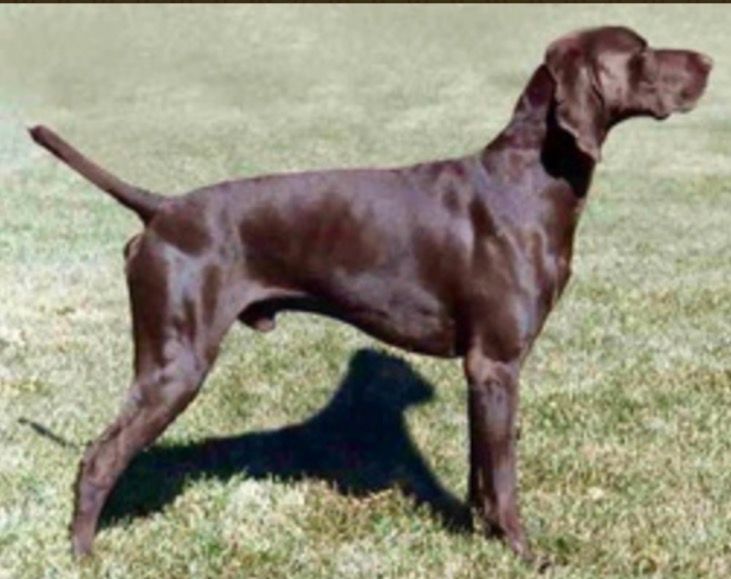
Those answers come from studying pedigrees, observing dogs over years—not just weekends—and listening to the families, hunters, trainers, and owners who live with them every day.
Health testing.
Temperament.
Pedigree.
Structure.
Natural instinct.
Trainability.
Biddability.
Athleticism.
Family compatibility.
Every piece matters.
The Most Important Test Is Time
Some of the most valuable information doesn't exist when a dog is two years old.
It comes years later.
Did the dog remain sound?
Did it stay healthy?
Did it continue hunting season after season?
What did its offspring become?
Did it consistently produce stable temperaments?
Did its puppies grow into capable hunting partners, successful competitors, beloved family companions—or ideally, all three?
Those are the questions that truly prove a breeding dog.
Titles Have Value
To be clear, we appreciate titles.
They demonstrate commitment, training, and objective evaluation. They can provide meaningful insight into a dog's abilities and are an important part of preserving our breed.
Many exceptional breeding dogs have titles.
But we don't believe titles are the finish line.
They're one piece of a much larger puzzle.
More than a resume.
We don't breed for titles. We breed German Shorthaired Pointers worthy of earning them—and, more importantly, worthy of passing their health, temperament, structure, and natural ability to the next generation. -Becky Christner
Titles matter.
Health testing matters.
Objective evaluation matters.
We believe all of those are valuable tools in preserving and improving the German Shorthaired Pointer.
But a title is a snapshot.
A breeding program is a lifetime of decisions.
A proven dog doesn't stop being proven when the judges go home.
It should hunt because it loves to hunt—not because there's a ribbon waiting at the end of the day. It should possess the temperament families value every single day, not just during a weekend event. It should demonstrate sound structure that allows it to perform the job it was bred to do. And perhaps most importantly, it should consistently pass those qualities to the next generation.
That's the standard we hold ourselves to at Tipsy Rabbit.
Every breeding decision begins by asking one simple question:
"Will this pairing strengthen the integrity of the German Shorthaired Pointer?"
If the answer isn't yes, we don't make the breeding.
Because our goal has never been to produce the most titled dogs.
Our goal is to preserve the kind of German Shorthaired Pointer that generations before us depended on—the versatile hunting companion with the intelligence to learn, the athleticism to work all day, the heart to stay by your side, and the temperament to become a beloved member of the family.
We believe titles should naturally follow exceptional dogs.
Not define them.
After all, the truest measure of a breeding dog isn't what it accomplishes during its own lifetime.
It's the legacy it leaves in the generations that follow.
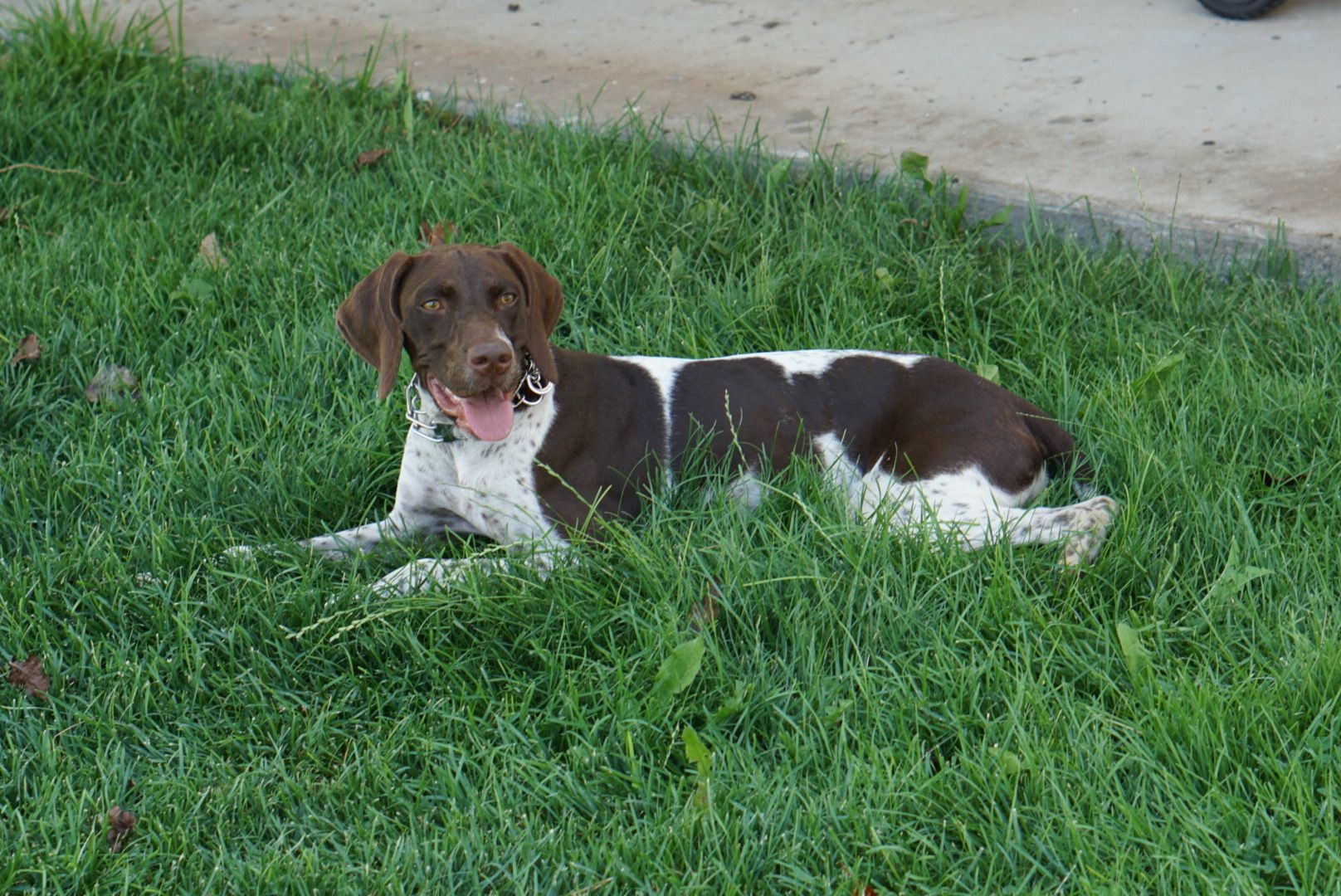
We don't measure success by the number of puppies we produce, but by the generations we help preserve.
Tipsy Rabbit. Built for the field. Raised for the family.
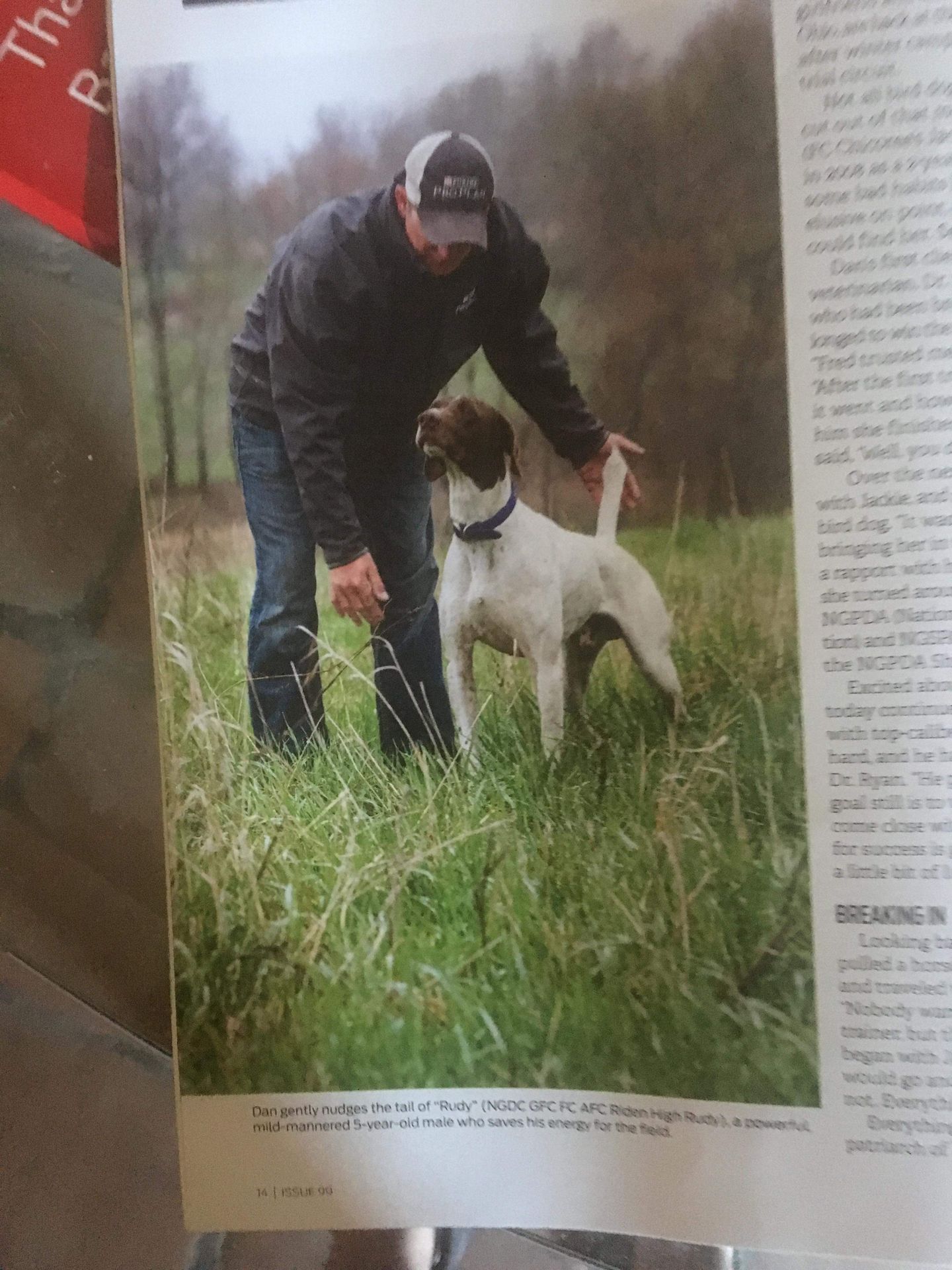
📸 Featured Dogs: NGDC GFC4 FC AFC Riden High Rudy SR82329304 & Moxy Belle Skouson SS09177709